
Many autistic women struggle with the hidden costs of socialising. Between constant masking to fit in, the exhaustion that comes after, and the need for meaningful downtime, everyday connection can feel draining. Understanding autistic women’s social needs, from the pressure to hide traits, to the necessity of recovery time, and the challenge of building authentic relationships, these core challenges that autistic women face can shed light on why socialising often leads to burnout.
1. Masking: Why Autistic Women Are Exhausted by Socialising
I can mask better than a masquerade ball. You may think I am weird, forward, or unfiltered, but most don’t clock me as autistic. Why? Because I have spent years explicitly studying social cues, body language, suppressing my stims and learning to read people like a spy.
I often get frustrated when neurotypical people don’t pick up on the same social cues I do. They might tell me I’m reading too much into things—but in reality, I’ve spent years analysing subtle signals, and have the pattern-recognition skills to piece it all together. The problem is, autistic masking is exhausting!
I use my face like an emoji.
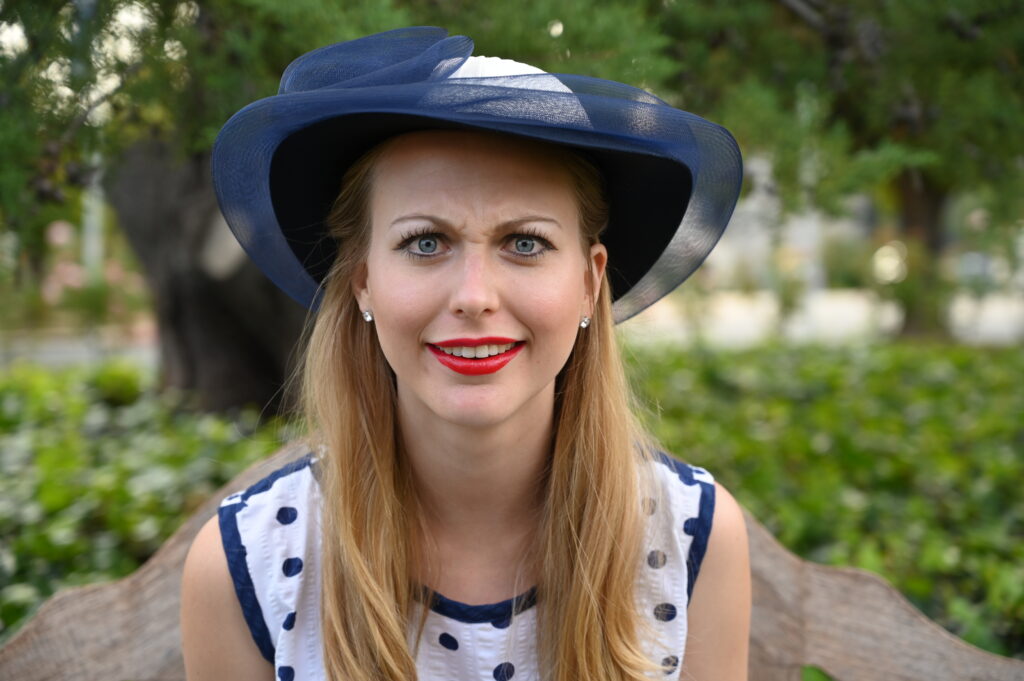
There’s talk of ‘Zoom fatigue’—people feeling drained from overusing facial expressions to seem engaged, compensating for limited body language. My face is permanently overactive, trying to express everything clearly.
Masking helps with the social needs of autistic women, with fitting in, having great conversations, and making powerful impressions. But it doesn’t let your brain rest.
When you are an autistic woman masking, your brain is working triple time to keep up with everything going on. From the person’s words, actions, tone, facial expressions, to their body language and even clothing choices.
External distractions pile on, too — the waiter you must flag down, loud music, passersby, a cold draft from an ajar door. The fatigue is extreme. Even if the social experience is great, afterwards, we often need serious downtime.
1. Autistic Women Need Sensory and Social Downtime
Growing up, I felt like whenever something good happened, it was followed by something bad—as if any fun on Saturday was stolen from Sunday.
Now this is how I view drinking: stealing from tomorrow. But the fun I was having didn’t involve alcohol, so why would bad always follow good?
Halfway through having fun, I’d begin to dread the next day—because the greater the day, the greater the fall. It was a cycle: good times followed by low days.
Now, I knew that the world needed balance, but I also knew that deep down, bad was not meant to follow good like that. There had to be something wrong with my perspective, my expectations maybe?
Now I realise, it was simply autistic burnout. I wasn’t meeting my autistic social needs.
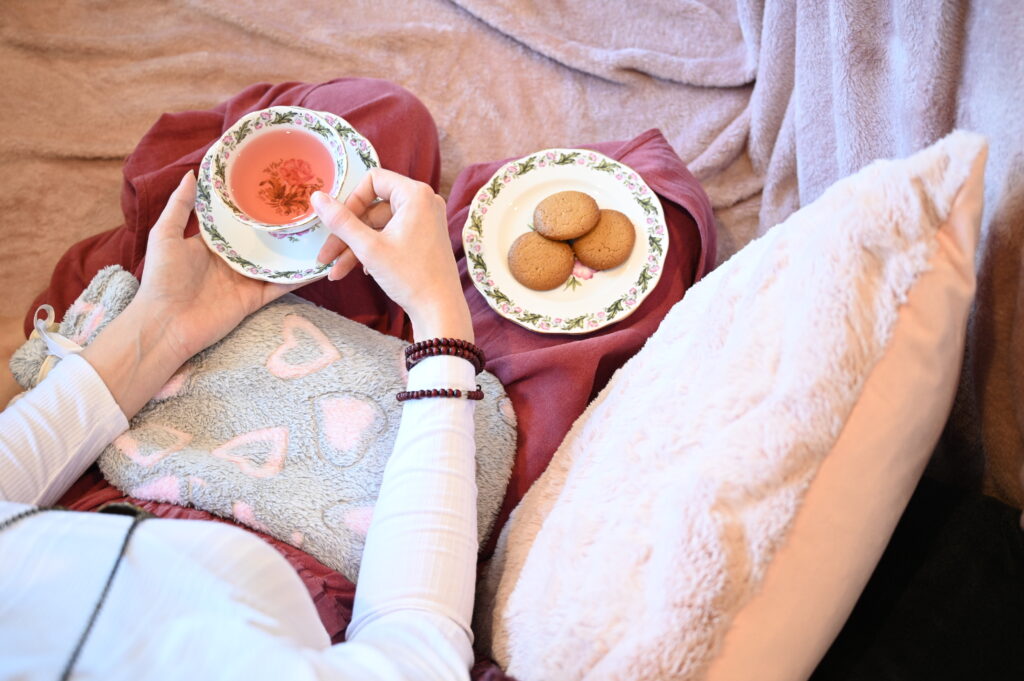
When I used all my social battery on Saturday, having fun with my friends, I was depleting this vital nutrient from my body. The next day, I was malnourished and needed to spend the day, often feeling quite low and solitary, to regain it. As a social butterfly, I couldn’t understand this — I wanted to be with friends all the time, without crashing afterwards.
I hate that I must schedule downtime, but I always forget I need space alone to unmask and just be. So, I now build it into travel, friend visits, and my weekly routine. If you’d like access to my autistic travel planner to help organise and communicate these needs, click the link here.
2. We Crave Community and Connection Above All
Our humanity, our very beings, need community and connection.
We evolved in packs — not inside tiny boxes of two adults and some kids. There should be fifteen adults raising a child, not one or two. Yet now life separates us. No wonder anxiety and depression are at an all-time high.
Many people don’t have friends; if they do, they are lucky to see them once a week due to the demands of life. When most live with the busy schedule of a 9-5, both parents working, both parents managing the home affairs, raising children (well, seeing them after work before bed), and then crashing on the couch and hauling themselves up for that weekly football game or other obligation, where’s the time for real connection?
Our world is built for us to be little working robots. Why? Because if we become a community, we become powerful.
Guess who are incredible collaborators, negotiators (despite our bad rep), and wonderful team members in the world? Neurodivergent people. We have that need for justice, which generally builds wonderful, fair and inclusive group environments.
We don’t want friends, we want bosom buddies – if you don’t know that term, go watch or read Anne of Green Gables and do yourself a favour. The social needs of autistic women are real friendships! We want someone we can call covered in newborn spit up when we need to shower, and they will come around and do our dishes, bring us food, and hold the baby whilst we wash our hair.
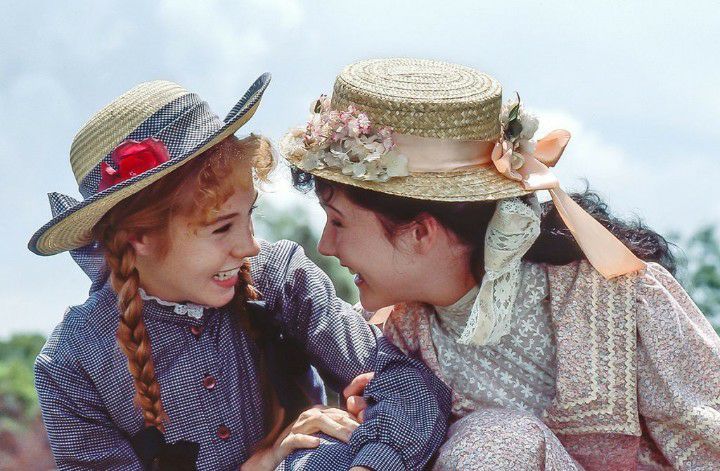
These superficial friendships of Sunday brunches and house parties are lovely, we have fun, sure, but what we truly want above all is a community of other women whom we can be our absolute worst with, and who will still support us.
These are the people we can be unmasked around. These are the friends who, without whom, we suffer.
Managing Autistic Women’s Social Needs
So, what is it like being an autistic woman and being around other people?
It can be exciting, interesting and engaging – but that may come at a cost. We may need downtime after to recover from the social effort we put in to have those conversations, to make those quick remarks, to notice your shoes and point them out to you.
That doesn’t mean that we can’t be social, it just sometimes means we need to put blocks of time in place to recover alone so we can recharge, so we can continue to have fun with others.
It also means that what we need more than anything are those friends with whom we don’t need to mask at all. We need friends who go beyond friendship, those people who are our family, our community. We need middle-of-the-night, end-of-the-world, ride-or-die sisters who fully embrace us.
Autistic women need socialisation, but we also need rest, and we also need deep, real friendships.
When one of these is suffering, missing or lacking, often so are we.
If you would like more support on how to live a full and happy life whilst honouring your autistic needs, have a read of how to live more authentically as YOU in this article.
And for a glimpse of a supportive female friendship adventure, watch this.