
As an autistic adult at Adelaide Fringe 2026, I went in prepared with water, a cardigan, loop earplugs and a buddy, but still found some venue experiences overwhelming. The fringe works so hard to make their shows and venues accessible for all. Yet some minor things still make the Fringe just a bit overstimulating.
This weekend, I attended three shows on two separate days and here is everything I experienced as a neurodivergent person. For starters, as exciting as it is to go to The Fringe Festival, just remember not to burn yourself out. I usually spend hours going through every show, creating a shortlist and then refining it over days. This time though, I made life easier for myself and let my husband choose, and I limited myself to one hour to decide on a few myself so that I didn’t overthink my decisions.
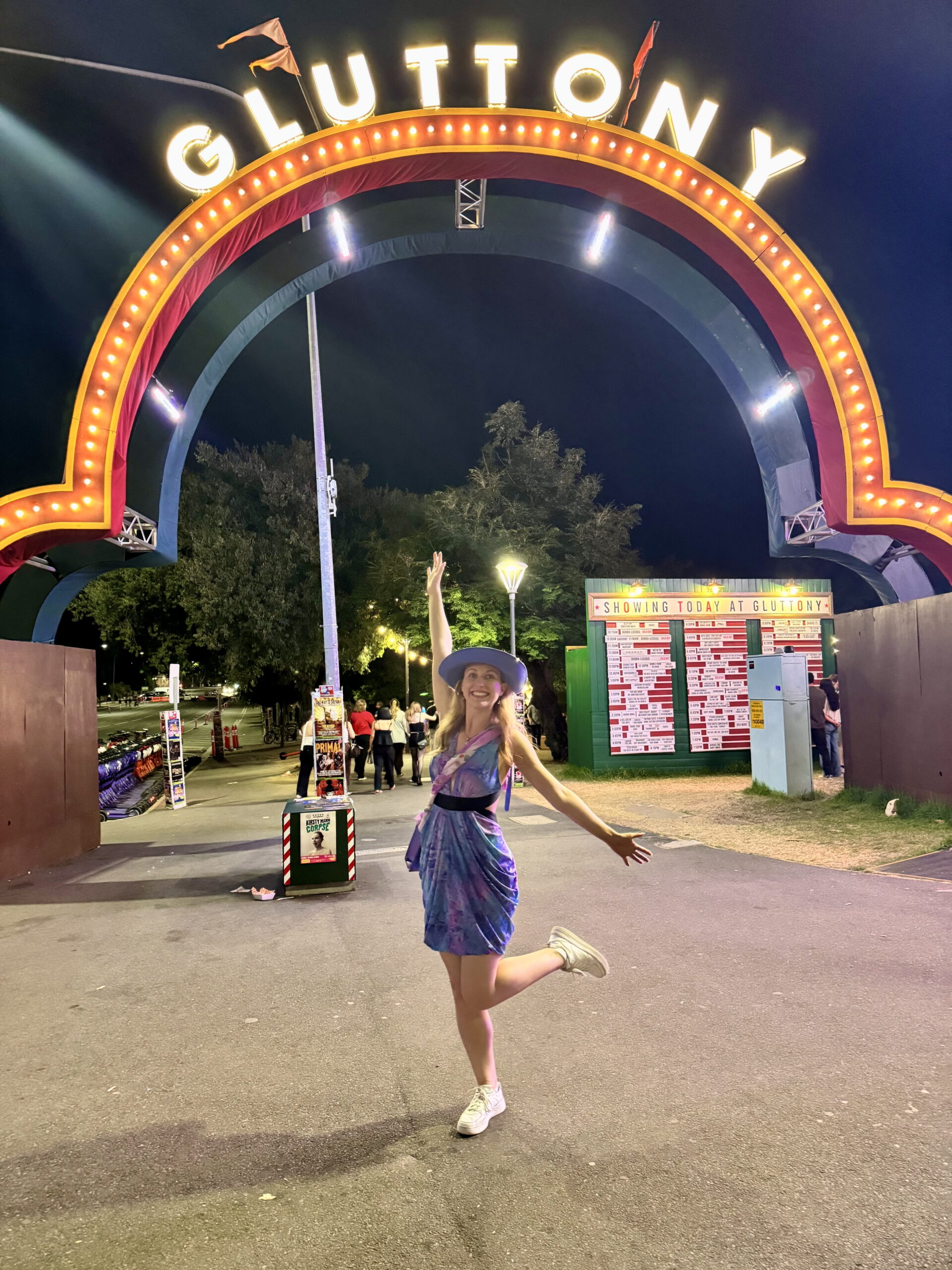
Adelaide Fringe Accessibility Supports for Autistic Adults
The Adelaide Fringe have a range of supports for people with disabilities, including sensory needs, accessible access and even specific shows. In case you weren’t aware of all the supports available, here are some of the highlights.
- Trained staff
- I haven’t met anyone at the Fringe who isn’t willing to help. From people at the gates to those collecting your tickets, inclusion feels like it’s at the top of everyone’s mind.
-
Sensory backpacks
- Available from the Gluttony Box Office, this accommodation is to manage the festival’s intensity. It includes earplugs, fidgets, sunglasses and sunscreen. Something worth adding might be a bottle of water that could be refilled around the stations, as I know I get very anxious when I don’t have access to water.
-
Sensory Bus
- The first night of the Fringe, there was a sensory bus which allowed people a space to collect themselves away from the bustle of the Fringe crowds. The comments on Facebook are resounding that this needs to be a permanent feature inside either Gluttony or The Garden of Unearthly Delights. If it could be expanded one day, I suggest both. But don’t put it at the start, place it in the middle, so if someone is overcome with anxiety, they don’t have far to go to access this.
- Relaxed Performances
- There is a great feature for those who really want to ensure that they are sensory safe, and that is relaxed performances. These are specifically catalogued so that people can choose low-stimulation shows. However, although these are fantastic options, I would like to see more access for the more intense shows to perhaps have a scheduled softer show, as these are the ones I am generally more drawn to.
- Access videos
- If you need to know anything, the Fringe website is so comprehensive and excellently designed. They have videos that can give you a full rundown of a venue to accommodate for access, but for me, I sometimes watch them to familiarise myself with a new place so I don’t feel so out of my depth when going there for the first time.
Adelaide Fringe Venue Challenges for Autistic Adults
This feedback is for tented venues rather than establishments around Adelaide, although some of this does transfer over. Not all of it can be solved without considerable expense. Whilst others might just require a small change. However, I want to acknowledge that these are minor things, but can often be felt very strongly by autistic adults.
Lighting
The first show I attended on Friday night was ‘Magic Hunt’ by Dom Chambers. It was a brilliant show with an incredible concept, albeit a dark and humorous one. I had a great time, I laughed, astounded, wondered and felt a little uncomfortable – but in that sick fun way. Except for his initial intro, in which the volume seemed to be too high, everything was auditorily perfect. Didn’t miss a word; he was never overpowered by music or effects. I hung on every syllable, sometimes wishing I hadn’t, and was in constant awe.
My difficulty with this show, though, was that the lights would sometimes direct to the audience and blind me. This bright light is felt so much more intensely for a neurodivergent individual, and it became quite distracting and painful at times. I wonder if this kind of lighting is necessary, or if the same effect could be achieved with shining the light over people’s heads, into the aisles or along the edge of the tent rather than directly into audience members?
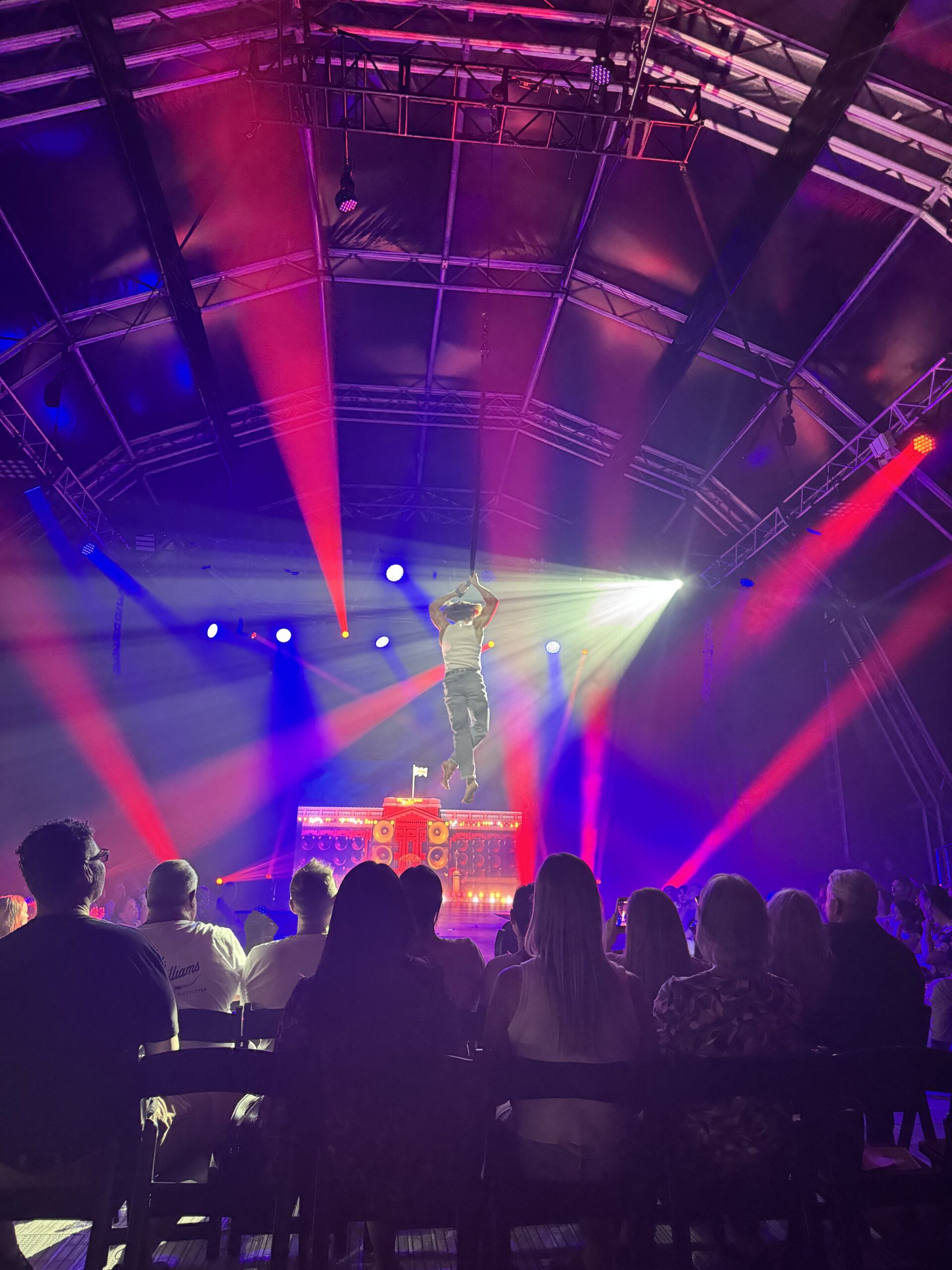
Lighting at London Calling.
Sound
Fortunately, I haven’t been to a show too loud this year, but it does happen. So just a note to those big, bold shows that raise the roof. We don’t need to hear you that loud. It is not a club, and we don’t like going home with tinnitus. Keep it loud and keep it fun, but keep in mind – too loud is simply painful, and for neurodivergent people, it can be extremely uncomfortable.
Seating
The next show I went to was called ‘London Calling’, this was an excellent, high production cabaret show with magic, acrobatics, juggling, hoops and of course, an English pub. The concept of this show was magical, as our tour guide took us through London on the underground, visiting the magic shop where it all began, and even flying through the skies through a time warp to the 60s. These acts were just phenomenal, and I don’t think I have ever been so impressed with the visual effects of a show before, so that was certainly a first.
The lighting on this show was very mindful; the spotlights did catch some members of the audience at times, but I noticed a lot of them were directed in the aisles. However, the tent, much like most of the Fringe shows in the Garden of Unearthly Delights or Gluttony, let them down. It was hot, as it often is during the Fringe, and I was positively glued to the woman beside me.
These seats are always so close together that unless everyone is a woman’s size 6-8, you are touching strangers constantly. And you don’t have to be an autistic adult to find this uncomfortable. However, for me, I often find it unbearable.
Now this is the thing that is hard to fix, because these tents are designed with many of these seats in fixed rows and replacing them would cost a fortune. But it is something to consider if you have never been before, or if you are just trying to accommodate your needs. You might want to find two very small friends to sandwich you rather than strangers.
This was in the Moa tent, and whilst close together, the chairs were relatively comfortable.
Gosling Tent Seating
My final show was ‘Murder She Didn’t Write’ in the Gosling tent. Another fabulous show of improv, with some exceptional actors! The premise was that the audience gave the actors the murder weapon, location and some unfortunate details they have to run with, as well as blindly choosing the murderer and victim. The actors then have to play out these obscene situations as they go. This made for a wonderfully funny show, and I was truly impressed by the acting skills.
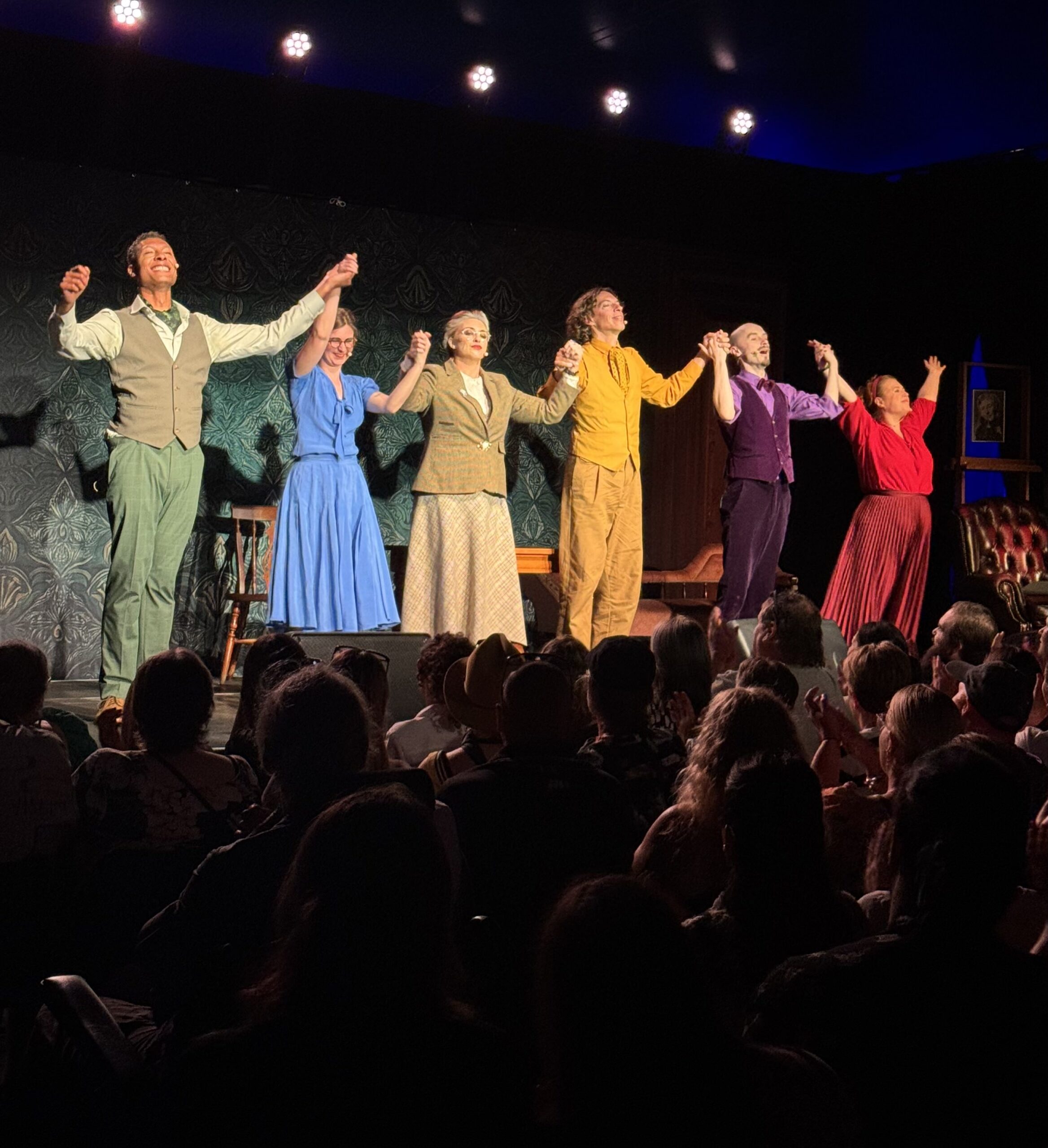
However, the last time I was that uncomfortable, I was eleven years old, experiencing restless legs for the first time on a red-eye flight from Perth to Melbourne, and I was beside myself with pain and discomfort. The tiered seats in the Gosling were so high that my legs dangled (granted, I am 5’8, so I can’t imagine the pain of my 5’2 mum next to me). I was wriggling more than a small child who kicks the seat behind you on a plane. I was so uncomfortable that I genuinely missed huge sections of the show.
The pressure on my bum, since I was essentially just hanging there, meant that my underwear line fused into my skin like an epidermal tattoo. Coupled with the heat, as I stuck to the back of the chair, my zipper pressed into my back because I couldn’t find an appropriate way to situate myself on the chair. I actually almost left. I don’t care if the Queen (who I admired greatly by the way) rises from the dead and promises to perform on that stage, I would never ever go to the raised chairs in the Gosling tent again.
Most Will Come Anyway, but Some Will Be Driven Out
So, it seems to me, at least from my neurodivergent perspective, that it is rarely the shows that are making the Fringe uncomfortable; it is, unfortunately, the tents themselves.
I know it would be incredibly difficult to source new chairs in these tents, but it might be worth selling one less ticket per row on the free-standing chairs and just giving a few centimetres between each one rather than butting them up against each other. That way, if someone does have sensory issues or would just prefer not to be in the lap of the person next to them, they could have the assurance that if they were there early, they could sit somewhere that they weren’t glued to the person next to them.
The other thing I realise is that we are all going to go anyway. Even if it is uncomfortable, because the fringe really is that good. But just as the Fringe company has worked so hard to make these spaces so inclusive, it makes me sad to see performers and audience members let down by something as simple as seating.
When it comes to these seating issues, lighting and sound – this isn’t just for those people registered through the NDIS, there are plenty of low-support-need neurodivergent people out there, or even just short, elderly or sensitive individuals, who find the Fringe quite overwhelming.
How to Make Adelaide Fringe More Autistic-Friendly
Let’s have more of those big, bold shows with a session that doesn’t blind or deafen you.
Let’s have chairs further apart.
Let’s have the sensory bus accessible all Fringe long.
And let’s stop separating ‘relaxed performances’ from the rest of the shows, and allow those explosive shows to work for autistic adults too.
Finally, can someone please replace the Gosling tiered seats? You will be doing everyone except the pro basketballers a favour.
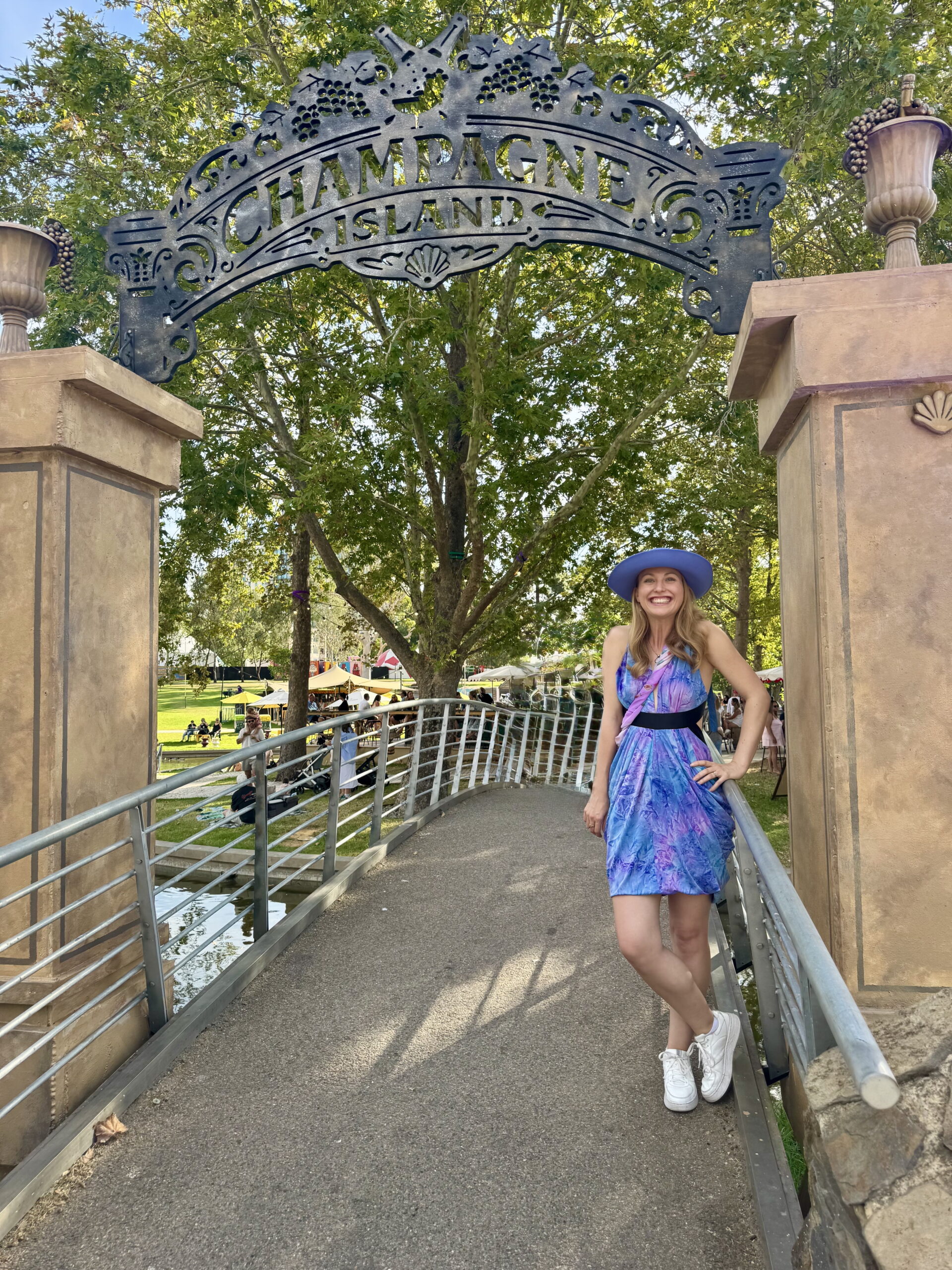
Why Autistic Adults Should Still Go to Adelaide Fringe
We are all going to keep going to the Fringe. It is an Adelaide institution. It is filled with talented, driven and exceptional people doing amazing things! I just hope that for a company that works so hard to create inclusion, it can become even more systemic.
Despite the challenges, experiencing the Adelaide Fringe as an autistic adult reveals a festival that’s evolving toward true inclusion.
For a super sensory friendly event, outside of the Fringe season, check out my article on Beerenberg Strawberry Picking. It isn’t just for summer.
Victoria-Rose Paris is an Adelaide-based AuDHD content creator sharing lived experiences of neurodiversity. With a history of endometriosis and a focus on living life to the fullest while honouring her neurodiverse self, she navigates identity, productivity, travel, health, and adventures. She is also the founder of The Adulting Club, where neurodivergent people bring their “too hard basket”, and she brings the education and dopamine. Find her raw, unfiltered content on Instagram and TikTok.