
I used to just watch someone sneeze on the TV, and I’d get sick. My childhood was plagued with headaches, stomach aches, colds and flus, and as I grew up, it didn’t really end. I was so unwell so often — constantly wondering, “Why am I always sick?”
It wasn’t until I was an adult that I realised I was neurodivergent. The real answer to “why am I always sick?” had nothing to do with my immune system and everything to do with how my brain was wired. This world can lead neurodivergent people to burnout, and that constant state of stress if terrible for your immune system.
So, I healed my body, not with a fancy diet or intense exercise, not with anything overly external. I stopped being sick through the way I thought about myself and my health.
Why Neurodivergent People Get Sick More
Neurodivergent people have a higher rate of getting sick than neurotypical people. From genetics to sensory stressors, and the way we treat our bodies through eating and exercising, there is also the tax of living in a world not designed for us, which can leave us feeling like we’re always sick.
Neurodivergent Co-Morbidities Making You Sick
There’s a plethora of co-morbidities that neurodivergent people have a higher chance of experiencing, all causing further health issues and asking “why am I always sick?”
These co-morbidities range widely, but common chronic health conditions include:
– Joint hypermobility, which can cause chronic pain.
– Mast Cell Activation Syndrome (MCAS), where the immune system and nervous system play merry-go-round, keeping each other heightened, exhausted, chasing their tails.
– Gastrointestinal disorders, from digestive to bowel issues—up to 80% of autistic children experience significant gastrointestinal issues.
– Migraines that are whole-body events, not just bad headaches.
– PMDD and endometriosis disproportionately affect neurodivergent women. As someone with both PMDD and endometriosis, I know too well the impact it has on your life.
Co-morbidities already tax our bodies. Even basic exercise like the gym becomes its own battle for neurodivergent people — explaining why you are always sick.
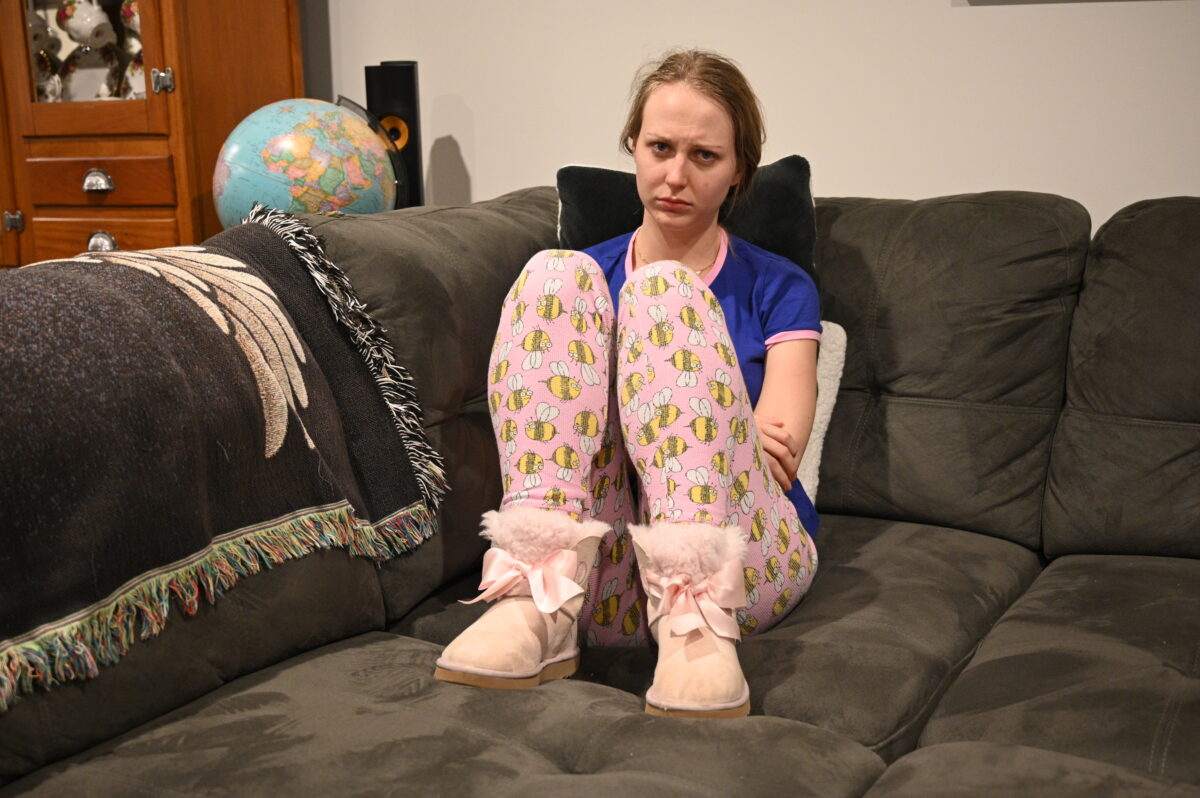
Neurodivergent Way of Life
Many neurodivergent people find this world extremely challenging to navigate, and even more difficult to stay healthy in. Understand that the following is an oversimplification, but it helps explain why you are always sick.
Neurodivergent people can struggle with routine, consistency, and executive function – all of which are imperative to eating healthy and exercising regularly.
Why You Are Always Sick: Exercise Barriers
I have had a gym membership for eight months now, and I have been once. There are multiple reasons for this, but I have found that a lot of it is from my AuDHD.
Why my AuDHD can’t go to the gym:
- I find gyms overstimulating; loud fans and intense air overwhelm me.
- Over-airconditioned — I’m freezing, uncomfortable in layers due to sensory issues.
- Awful loud music; earphones hurt my ears during workouts.
- Can’t concentrate on breath, muscles, and counting reps.
- Need a buddy for body doubling (non-dopamine tasks); my husband goes mornings when I need to save my dopamine for the day ahead, but he’s too tired evenings when I have motivation.
- No good time: I’m too exhausted at the end of a workday and already have Irish dancing on two, I need unwind days, and weekends are unpredictable, so I get anxiety from scheduling anything fixed on changeable days. No habit or diary slot = no gym.
- Too many steps: dress, drive, park, pass, enter, setup, endless equipment transitions, towel rituals = overwhelming.
- Life exhaustion means exercising leaves nothing left, which I know to be true for my body because when I go to Irish dance on a Saturday morning, it writes off the day.
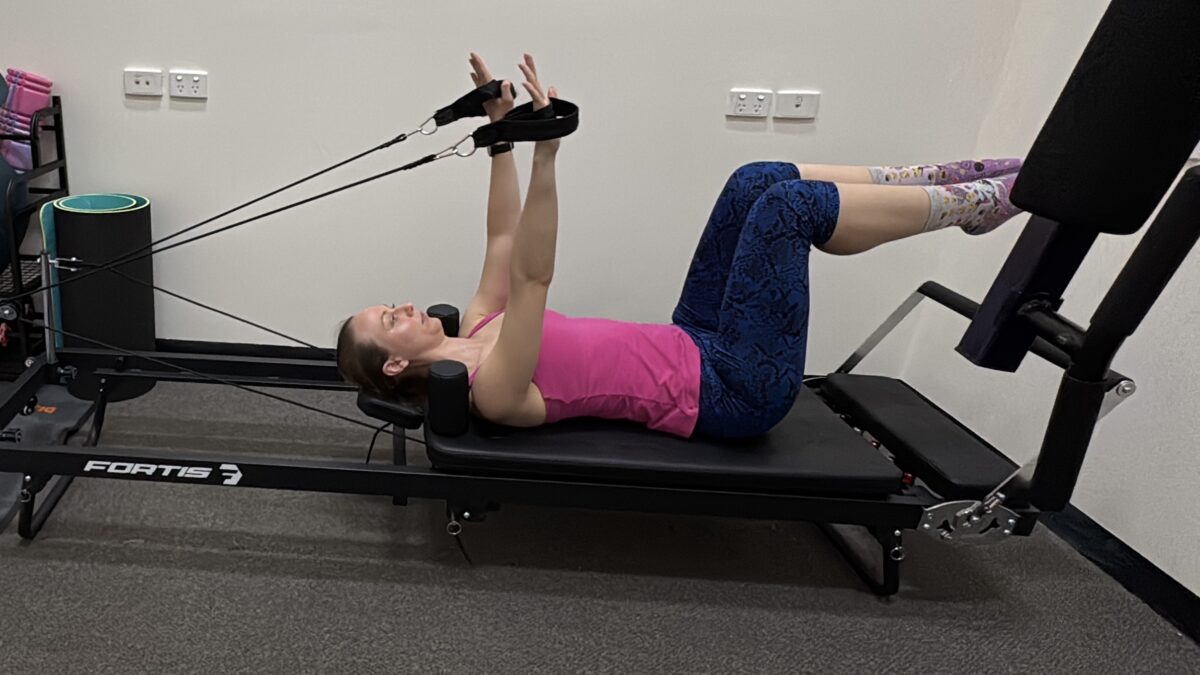
Now, I’m not saying the gym is the only way to be healthy, but something neurotypical people find super easy — “just go to the gym more” — feels insurmountable for me, contributing to why I am always sick.
There are lots of ways we can excel at exercise. I mean, I do Irish dancing, talk about niche!
We’re great at physical hobbies, hyper-focusing to get really good. But anything outside those? It can be a challenge, like me: upper body strength of a squirrel, legs like a boa constrictor.
Without appropriate exercise, us neurodivergent people can find we have weaknesses in our bodies which cause us more pain, weak muscles leading to sore backs, sore backs leading to inactivity, inactivity leading to more weakness, and the cycle continues.
Exercise is one really good way of combating getting sick all the time, because it drains your lymph nodes, moves your blood, oxygenates your body and simply leads to overall health; and when you don’t do that, you are more likely to be sick.
Gym barriers are tough, but food is another daily struggle. Neurodivergent eating issues make balanced diets feel impossible, fuelling constant illness.
Neurodivergent Food Struggles
Similarly to exercise issues, eating healthy is really challenging for neurodivergent people, often explaining why we’re always sick on a physical level. By diet, I don’t mean the restrictive thing you do when you put on weight; I mean the food you eat day in, day out.
Neurodivergent people are notorious for food issues, and they are more likely to develop eating disorders. From aversions/sensitivities (textures, brands), safe foods that are rarely healthy, to binge eating (dopamine seeking), overeating (impulse control), and sensory-driven junk-food preferences.
We also struggle with meal planning and preparation: stuck on the same foods forever (limited, unvaried intake), then hate them; or crave variety daily but burn out from the demand, grabbing takeout for weeks.
I have to be super careful to balance meal plans with diverse, safe foods and backups for off-days. Fortunately, since about 22, I stopped eating like a six-year-old, but I still find eating a balanced diet can be excruciating. It isn’t because I hate healthy food per se; I just have so many limitations with my food preferences, plus limited executive function, that planning, cooking, eating, cleaning, and even bulk cooking just feels like too much. I often wish humans only needed to eat every few days—then I would quite enjoy the process!
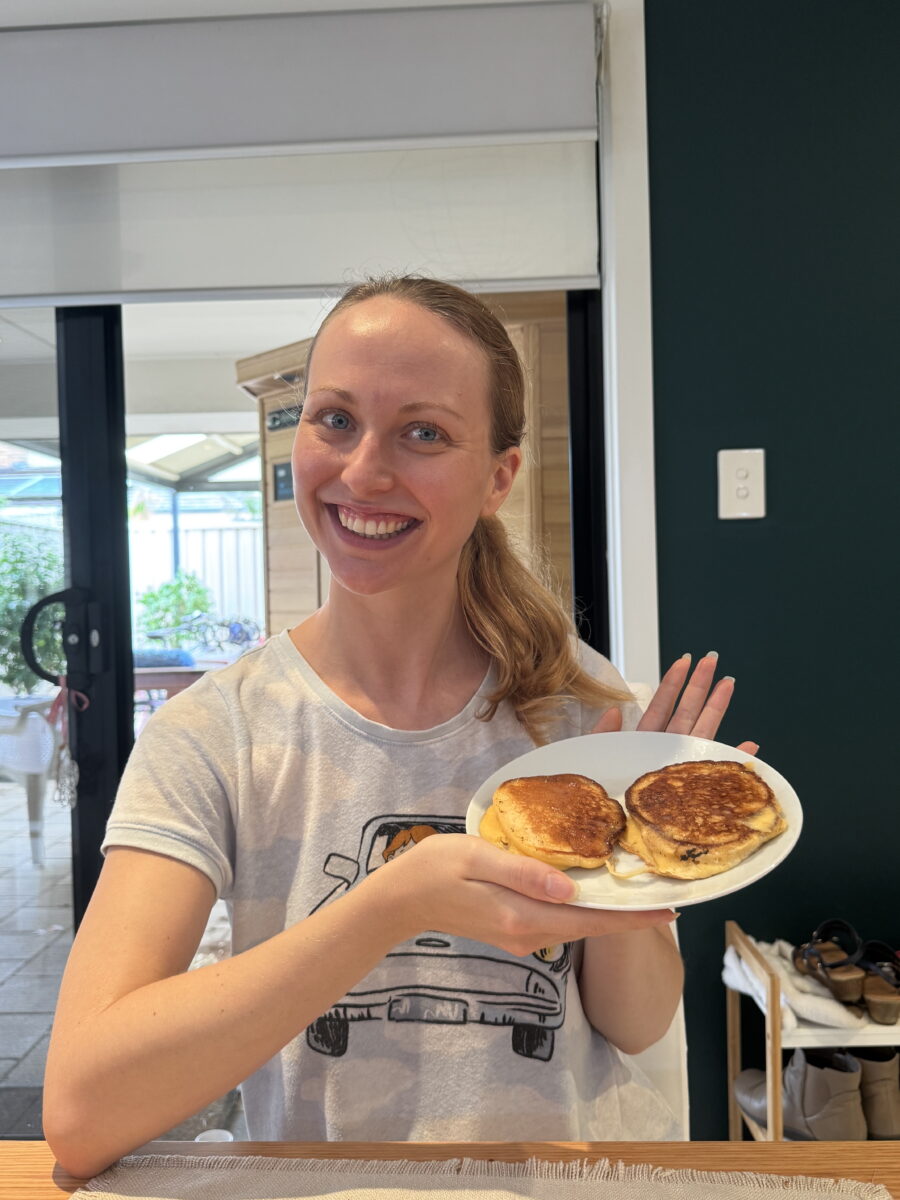
This is my attempt at healthy pancakes which just tasted like egg and my husband had to eat all of them! Click the following to learn more about how I manage my relationship with food.
Many neurodivergent people I know resort to planned meal services or takeout most of the time because eating three times a day is just too challenging to manage. But when you have preferences like mine, no eggs, no seafood, no mushrooms – it limits more than you’d imagine, and you end up with really gross options. Ironically, I actually also find ordering takeout too much sometimes; there are too many options and at the end of a busy day, the thought of even deciding what to eat can just feel overwhelming.
You might have no food issues, but for many, managing healthy eating feels like a full-time job.
Healthy eating takes massive effort. Then add the financial “neurodivergent tax” on health: wasted memberships, specialist advice we can’t follow, the list goes on.
The Neurodivergent Health Tax
My ADHD friend is on her third round of braces. Think about how expensive those things are, and yet she is on her third round. Why? Because she doesn’t wear her retainer, and it’s a habit she cannot maintain.
What about those people with autism who can’t stand to brush their teeth because of the sensory input, and who develop cavities that cost thousands in dental fees?
What about neurodivergent people who do look after their teeth but hate making phone calls and booking appointments, so they never get a check-up at the dentist until it costs thousands of dollars?
What about all the money wasted on unused gym memberships, specialist doctors whose advice we don’t follow, physios whose homework we don’t do, chiropractors who tell us to sit differently, which we ignore entirely?
What about all the money wasted on supplements we never take and healthy foods we never cook with?
The neurodivergent tax is insane. This is just limited to health-related things; there could be a whole article on the extra cost of our lives because of the way we are wired.
What is so frustrating, too, is that it doesn’t matter how bad the negative consequence is for these things; it is rarely enough to motivate us.
We are so dopamine-driven that the only thing that can make a change is positive dopamine, not negative consequences.
And it doesn’t stop at money, the constant sensory exhaustion from living in this overstimulating world keeps us stuck in fight-or-flight, tanking our immunity and making us even more likely to get sick.
Sensory Overload: Fight-or-Flight Kills Immunity
The two most basic things we can do to look after our health can already be quite difficult: eating well and exercising. Then we factor in comorbidities, which put extra strain on our bodies – no wonder we are always sick as neurodivergent people.
What really reduces our capacity to fight off infection, though, is our constant state of fight-or-flight triggered by this overstimulating world. Right now, I can hear a dog barking in the neighbourhood setting off all the other dogs, and every time it barks, I am right there. It is not a sound in the background, it is not ignorable, every single bark, and it’s like I teleport over to that back yard and I am face to face with the thing. I think most people can relate to being kept awake by a mosquito at night. A neurodivergent experience of the world is like living in a room with 30 mosquitoes, not enough to cause a single hum but enough that it is deafening, all-consuming and impossible to concentrate – it takes every fibre of our being to focus on whatever it is we are doing, and not on the buzz and impending stings of the mosquitoes.
Now, do you think our immune systems are fighting off infection when all of our resources are being spent on simply surviving? Not really.
Constant sensory overload fills our body with adrenaline and cortisol, which suppresses the immune system, making you more susceptible to infections, colds, and autoimmune diseases. This chronic state of stress can lead to burnout and immune system dysfunction, even heart problems and nervous system dysregulation.
These stress hormones put extra strain on the heart and, over time, can cause chronic inflammation, heart disease, mental health issues, high blood pressure, weight gain, sleep problems, digestive problems, and an even greater chance of stroke or heart attack.
Sensory overload puts neurodivergent people in perpetual fight-or-flight, tanking immunity, explaining why you are always sick.
How Do I Stop Always Being Sick?
Other than looking after your health through diet and exercise, the biggest thing you can do is reduce your stress. I know how hard that sounds, because if you could just switch stress off, you would.
There may be very little you can do about your external world right now. Sometimes there are steps you can take to get yourself out of situations that don’t serve you, but those things can take time. So I am not saying quit your job and move to a sustainable farm in the country, unless that is actually what you want.
What you can change is how you respond to what is going on around you. You are likely sick because you are overwhelmed. That overwhelm leads to exhaustion and leaves your body with nothing to fight with. Where you can’t change the situation, focus on changing the way you move through it.
Right now, I am grateful for my flu. It is not fun, and I did just have a little cry because I felt weak and vulnerable, but I have also had moments of deep rest I don’t remember having in a long time. My brain has been so stimulated, so overwound, and so focused on doing that I had forgotten what stillness felt like.
Being sick all the time can be a way of slowing you down and forcing you to listen. If you do not learn the lesson, it tends to come back around. For me, that lesson is stillness, rest, and acceptance rather than constant doing.
Changing your state can be incredibly difficult, but it often starts with changing the way you think about things. Focus on what your body is telling you, focus on your needs, and honour your body. If you want to stop being sick, it is about learning how to live in a way that works for your body, so your illnesses do not need to keep forcing you to learn the same lesson.
Victoria-Rose Paris is an Adelaide-based AuDHD content creator sharing lived experiences of neurodiversity. With a history of endometriosis and a focus on living life to the fullest while honouring her neurodiverse self, she navigates identity, productivity, travel, health, and adventures. She is also the founder of The Adulting Club, where neurodivergent people bring their “too hard basket”, and she brings the education and dopamine. Find her raw, unfiltered content on Instagram and TikTok.