
Progesterone cream has saved my relationship with myself, reduced my symptoms of endometriosis and hormonal moods. After years of hormonal imbalances, endometriosis, awful side effects from hormonal contraception, and PMDD (pre-menstrual dysphoric disorder — which is like if PMS got an angry stepsister), I’m finally starting to feel at peace with my hormonal fluctuations.
Now I’m not cured — it isn’t some miracle or saving grace — but I have found that progesterone cream has made a rather significant difference in how my body responds to my cycle.
Progesterone Cream Effects on Pain and Mood
After getting my Mirena removed about five months ago, I started using progesterone cream to ease my body back into a natural cycle and support it now that it wasn’t getting localised progesterone through my IUD.
For the first three months, I applied the cream topically every day and noticed that my endometriosis symptoms actually decreased. Now, I can’t say for sure whether this was also because I was off the Mirena — and that maybe it hadn’t been as good for me as I’d thought — but I was genuinely surprised that I wasn’t in more pain, or experiencing more severe mood swings once it was removed.
I’ve dealt with unstable moods around my period for a long time. More than any fear of my endometriosis pain returning after Mirena removal, my biggest worry was that my mood would crash.
Yet despite still expecting highs and lows, I was relatively well adjusted… until.
After three months, I decided I should really start using the progesterone cream as recommended, meaning only for half the month. I didn’t want it messing with my fertility, since we’re casually trying to get pregnant. I also didn’t want it interfering with my cycle or anything else.
Well, that was the worst week or two I had experienced in a long time.
I was so unreasonable. I was sad. I was angry. I simultaneously wanted love, care, and affection from my husband and felt absolutely numb and uncaring toward him. It was like I was possessed. I was so emotional, so irrational — I just couldn’t stop crying.
The difference?
The progesterone cream.
What Is Progesterone Cream?
Progesterone cream is a topical product that delivers bioidentical progesterone, meaning it’s chemically identical to the hormone our bodies naturally produce. The goal is to supplement your body’s own progesterone and support better hormonal balance, especially when your levels are low or fluctuating dramatically.
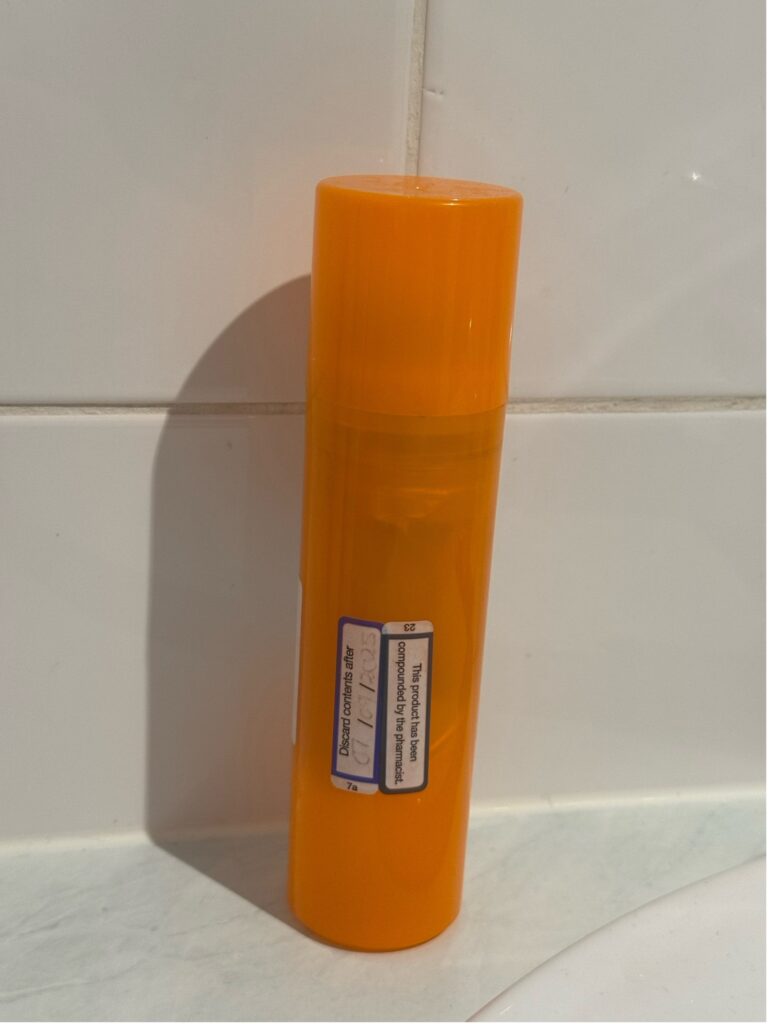
How Progesterone Cream Is Made
It’s usually derived from plant-based sources like wild yam or soy. While these plants don’t contain progesterone naturally, the hormone is synthesised from plant compounds in a lab to create a bioidentical version that the body can use.
I use a cream from a compounding chemist, prescribed by my doctor at a specific dosage tailored to my body and symptoms.
How to Apply Progesterone Cream
Some people apply progesterone cream to areas with thinner skin and good blood flow, like the inner arms, thighs, or lower abdomen. I personally alternate where I apply it so that my body doesn’t get too used to one location and stop absorbing it effectively.
I also like to apply it after a hot shower, when my blood is closer to the surface and absorption may be better.
How to Use Progesterone Cream for Endometriosis
Progesterone cream is usually recommended only during the luteal phase — that’s the second half of your cycle, after ovulation, when your body would normally produce progesterone on its own. By matching this rhythm, you’re working with your body’s natural hormonal pattern rather than overriding it.
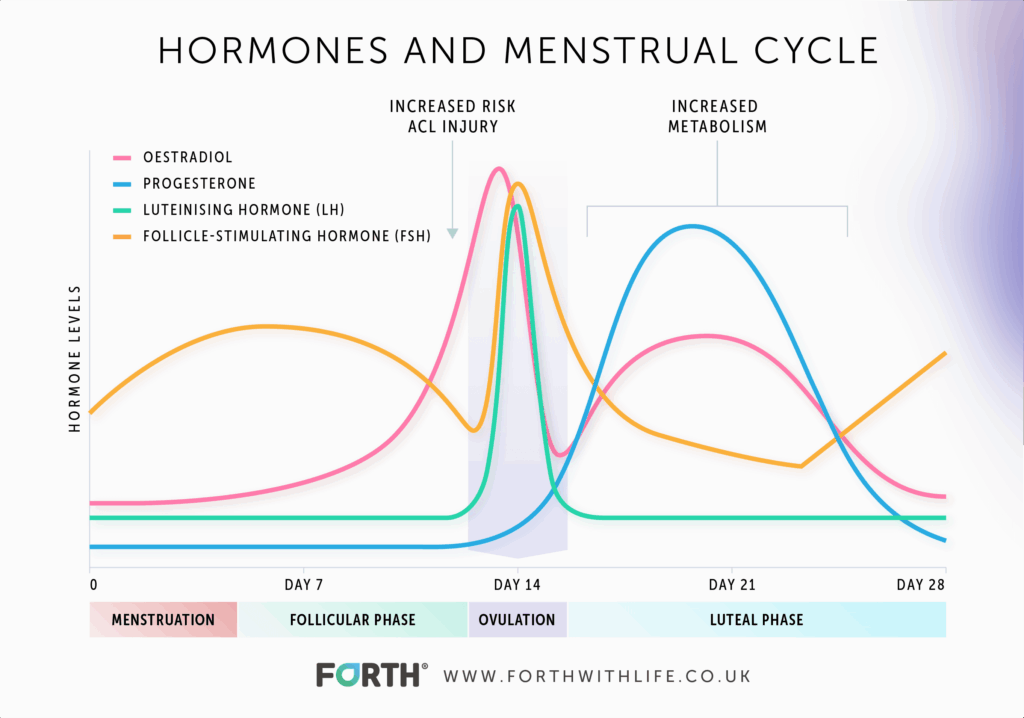
It’s often suggested that you start applying progesterone cream around Day 14 (the day after ovulation), and stop by Day 28, when your period begins. Depending on your cycle length, you can adjust accordingly. And if, like me, you don’t have a predictable cycle, you might count your days approximately or listen to your body and symptoms as a guide.
Experts warn that using progesterone cream daily throughout the entire month can interfere with your natural hormone signals and potentially suppress ovulation over time.
That said, I found that when I went off the progesterone — even for just two weeks — I felt completely unlike myself. The mood swings were intense, and I genuinely struggled.
When I brought this up with my doctor, he told me that in my case, daily use was fine, since my body likely doesn’t produce enough progesterone to begin with. We agreed to review it again after a few months, but for now, I’ve continued using it daily and feel far more stable.
Progesterone cream is available over the counter in many places, but the strength and formulation can vary widely. That’s why it’s worth doing your own research and working with a practitioner who truly understands hormones, especially if you’re managing something like endometriosis (seriously, consult a doctor!).
Why Progesterone Cream Helps Endometriosis
Endometriosis is a systemic—in other words, whole-body—inflammatory disease. While many people confuse it for a hormonal disorder, it’s important to understand that although hormones play a big role, endometriosis is fundamentally an inflammatory condition.
It’s not just about having “too much estrogen,” but about how estrogen and progesterone interact. Many people with endometriosis experience something called progesterone resistance, where their bodies stop responding properly to progesterone. Even if there’s enough progesterone in the system, the cells might not be listening to it.
At the same time, estrogen levels can be relatively high, tipping the balance and encouraging endometrial tissue to grow outside the uterus where it doesn’t belong. Progesterone’s job is to keep that growth in check. So, when progesterone isn’t doing its job—whether because levels are too low or because of progesterone resistance—that tissue can spread, becoming more inflamed and painful.
Using progesterone cream may help counteract this by supplementing low progesterone levels or encouraging a better hormonal balance. Some people report reduced pain, lighter periods, or fewer flare-ups over time. However, results vary widely, and not everyone responds the same way.
It’s so important to do what feels right for you, as everyone’s response is different. For me, applying progesterone cream daily helps my mood, though I’m not sure how it impacts my fertility. Make sure you do thorough research and consult multiple doctors if possible, since opinions can often conflict. Trust your body, and keep track of how progesterone cream affects you.
Effects of Progesterone Cream on Pain and Mood
The impacts of progesterone cream for me have been astounding. I haven’t experienced the typical “Mirena crash” that many people talk about. Often, when people have their IUD removed, they go through a hormonal crash that brings on weight gain, very tender breasts, irregular cycles, or foul moods.
Except for the one month when I only used progesterone cream for half the month, my mood has been pretty stable, and my pain has remained relatively minimal and manageable.
Talk to Your Doctor Before Using Progesterone Cream
Of course, it’s best to consult with a doctor before starting progesterone cream, but be mindful of who you choose—many doctors might brush you aside and say you’re fine without really listening.
If you want some tips on advocating for yourself in a medical setting, this article is a great resource.
It’s important to speak to a doctor first because they can prescribe the appropriate amount of progesterone for your specific needs. This way, you can manage your dose carefully and get the cream made up at a local compounding chemist.
You might also want to look into Wild Yam Cream, which is a natural alternative that contains progesterone. However, be very mindful of your source, as dosage and active ingredients can be harder to manage. Still, it’s a great option if you’re looking for something more natural.
Be mindful when researching as I am unaware of how the natural vs chemical interact with a woman’s body. You may also want to look into the difference between Progestins and Progesterone.
Integrative Doctors and Progesterone Cream
I got my progesterone cream prescribed by an integrative doctor. This is a qualified MD who specialises in looking at you as a whole person, rather than just treating isolated symptoms with a multitude of drugs that can contradict each other and cause nasty side effects. Integrative doctors tend to take a more naturalistic approach and genuinely listen to your needs and lifestyle factors.
They often examine your blood work in much more detail than a typical GP and will order additional tests to get a fuller picture of your overall health, not just your illness.
My integrative doctor initially recommended I use progesterone cream for half the month. But when I told him that stopping it caused severe mood swings, and that taking it continuously improved my mood, he encouraged me to follow what felt best for my body. He explained that my body doesn’t produce enough progesterone, so using the cream shouldn’t negatively impact my fertility, contrary to what Mr Google or even my local GP might say.
My Verdict on Progesterone Cream
Progesterone cream has completely changed my relationship with my body. I was able to come off the Mirena without the dreaded hormonal crash, and my moods have been significantly more stable. Honestly, what felt like PMDD for years has now eased into just PMS.
I’m not sure what the future holds, or if I’ll need to reduce the amount of progesterone cream I’m using to increase my fertility. I also can’t say for certain if the horrific moods I experienced during the month I went off it for two weeks were directly caused by stopping the cream, but it definitely felt that way. I plan to try again in a few months to see if the same thing happens or if my body just hasn’t found its natural rhythm yet.
Regardless, I’m eternally grateful. While my reduced pain may partly be due to having the IUD removed, I truly believe that without progesterone cream, I would be in a much more painful and emotional place.
So, do your research—fall down the rabbit hole, ask your doctor (or a few doctors), and consider seeing an integrative doctor if you can afford it—I highly recommend the approach. Try progesterone cream for yourself and see how it works. Everyone is different, which is frustrating when it comes to women’s health, especially hormonal health. But all you can do is try and observe your own response. And remember: advocate for yourself. Doctors don’t know it all!
If you’d like more support with advocating for yourself, check out my free checklist containing everything you need to know before, during, and after your doctor’s visit.
Get Your Free Guide
What you will get in the Free Doctor‑Visit Checklist
Ever leave an appointment thinking “Wait… I didn’t ask half my questions, I forgot the referral, and the doctor didn’t answer my question”?
This printable, neurodivergent‑friendly document walks you through how to advocate for yourself at every stage so that never happens again.
Inside you’ll get:
- Before‑the‑visit prompts – space to write why you’re going, your top 1‑3 concerns, and the boundary you want to hold
- Conversation scripts – polite‑but‑firm lines to redirect interruptions or push back on “It’s probably just stress”
- Plain‑language questions – easy sentences to ask for test explanations, result print‑outs, and next steps
- During‑visit checkpoints – quick reminders so you don’t freeze mid‑consult (“Finish your story first.”)
- After‑visit debrief + tracker – space to note follow‑ups, next‑action dates, and who’s holding you accountable
- Sensory‑friendly layout – icons, soft colours, and big open lines so you’re not visually overwhelmed
Print it, keep it in your Notes app, or hand it straight to your support person on the day — your call.